
PET / PETG Filaments for 3D Printers
Polyethylene terephthalate (PET) is the most widely used plastic in the world.
PETG is a robust and versatile plastic for 3D printing. This filament offers high stability, slight flexibility, and good heat resistance, making it the perfect choice for functional, long-lasting components.
PET / PETG: 1 - 30 of 950 items
-
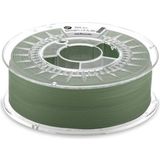
Extrudr XPETG Matt Military Green, 1.75 mm / 1000 g
- Recyclable
- Mechanical properties
- High chemical resistance
-
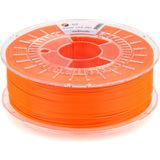
Extrudr PETG Neon Orange, 1.75 mm / 1100 g
- 100% recyclable
- Diverse area of application
- Heat resistant up to approx. 90 °C
-
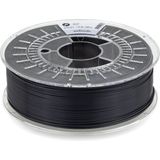
Extrudr PETG Anthracite, 1,75 mm / 1100 g
- 100% recyclable
- Diverse area of application
- Heat resistant up to approx. 90 °C
-
-
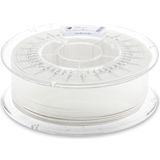
Extrudr XPETG Matt White, 1.75 mm / 1000 g
- Recyclable
- Mechanical properties
- High chemical resistance
-
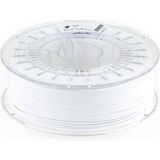
Extrudr PETG White, 1,75 mm (1.100 g)
- 100% recyclable
- Diverse area of application
- Heat resistant up to approx. 90 °C
-
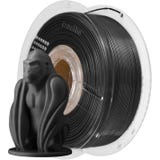
-
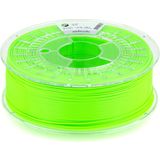
Extrudr PETG Neon Green, 1.75 mm / 1100 g
- 100% recyclable
- Diverse area of application
- Heat resistant up to approx. 90 °C
-
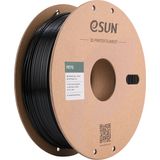
eSUN PETG Black, 1.75 mm / 1000 g
- High clarity & high gloss
- High chemical resistance
- Excellent impact resistance
-
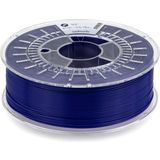
Extrudr PETG Blue, 1,75 mm (1.100 g)
- 100% recyclable
- Diverse area of application
- Heat resistant up to approx. 90 °C
-
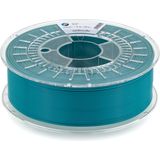
Extrudr PETG Turquoise, 1,75 mm (1.100 g)
- 100% recyclable
- Diverse area of application
- Heat resistant up to approx. 90 °C
-
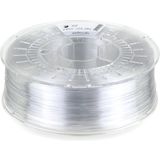
Extrudr PETG Transparent, 1,75 mm (1.100 g)
- 100% recyclable
- Diverse area of application
- Heat resistant up to approx. 90 °C
-
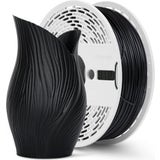
Fiberlogy PETG Matte Black, 1,75 mm / 850 g
- Matt finish
- Easy to print
- Resistant to acids, salts, alkaline substances
-
-
-

Polymaker PETG White, 1.75 mm / 1000 g
- Ideal for high-speed printing
- High strength and toughness
- Weather and UV resistant
-
Extrudr PETG Metallic, 1,75 mm (1.100 g)
- 100% recyclable
- Diverse area of application
- Heat resistant up to approx. 90 °C
-
-
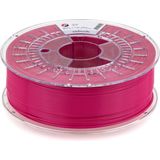
Extrudr PETG CMYK Magenta, 1,75 mm / 1100 g
- 100% recyclable
- Diverse area of application
- Heat resistant up to approx. 90 °C
-
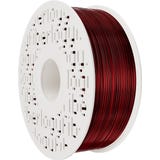
Fiberlogy Easy PETG Burgundy Transparent, 1,75 mm / 1000 g
- Easy to print
- High durability
- Low shrinkage
-
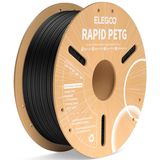
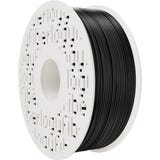
Elegoo Rapid PETG Black, 1.75 mm / 1000 g
- For high-speed printing
- Excellent thermal mouldability
- Chemical & weather resistant
-
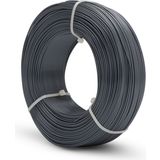
Fiberlogy Easy PETG Refill Graphite, 1,75 mm / 850 g
- Masterspool Refill
- Favourable
- Very good adhesion
-
-
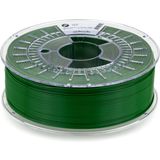
Extrudr PETG Green, 1,75 mm (1.100 g)
- 100% recyclable
- Diverse area of application
- Heat resistant up to approx. 90 °C
-
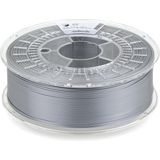
Extrudr PETG Silver, 1,75 mm (1.100 g)
- 100% recyclable
- Diverse area of application
- Heat resistant up to approx. 90 °C
-
3DJAKE easyPETG Black, 1,75 mm / 1000 g
- Made in EU
- Enhanced toughness
- Increased temperature resistance
-
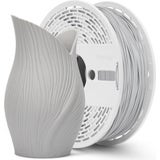
Fiberlogy PETG Matte Grey, 1,75 mm / 850 g
- Matte finish
- Easy to print
- Resistant to acids, salts, alkaline substances
-
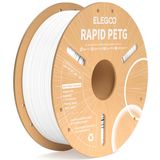
Elegoo Rapid PETG White, 1.75 mm / 1000 g
- For high-speed printing
- Excellent thermal mouldability
- Chemical & weather resistant
-
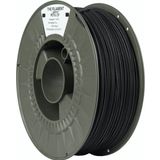
The Filament PETG CF Black, 1.75 mm / 1000 g
- PETG + 3% carbon fibre
- Excellent rigidity, hardness & impact resistance
- Good chemical resistance
-
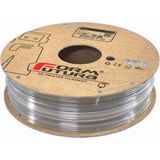
FormFutura HDglass™ Clear, 1.75mm / 750g
- Different degrees of transparency
- Elegant look
- High strength & toughness
What is PETG or PET-G?
PETG is a popular filament for 3D printing that cleverly combines the advantages of PLA and ABS. It is robust, slightly flexible, and significantly more heat-resistant than PLA, yet remains easy to print. Thanks to its high toughness, PETG does not break easily and is ideally suited for functional components that need to withstand the rigours of daily use.
Raw PET is rarely used in 3D printing. The “G” stands for “glycol-modified”. This modification makes the filament clearer, less brittle, and easier to use.
Is PETG suitable for beginners?
Yes, PETG is well-suited for beginners, especially if you have already gained initial experience with PLA. The material suffers from very little warping, adheres well to the print bed, and is significantly more robust than PLA.
When printing, PETG requires a bit more fine-tuning - for example, regarding temperature and retraction - but overall, the material is very easy to control. Those looking to gradually move towards functional prints will find PETG to be a reliable next step after PLA.
What are the properties of PETG?
PETG offers a strong blend of stability, flexibility, and ease of processing. The material is significantly more impact-resistant than PLA, yet it is not brittle, but slightly elastic. Furthermore, PETG is more heat-resistant than PLA and hardly warps during printing.
Another advantage: PETG is moisture and weather-resistant, virtually odourless during printing, and ensures a smooth, slightly glossy surface.
How sturdy is PETG?
PETG is sturdy and simultaneously slightly flexible, which makes it significantly more resilient than PLA. Instead of splintering like a brittle material, PETG yields slightly under load.
How heat-resistant is PETG?
In terms of heat-resistance, PETG is clearly superior to PLA: it retains it shape up to approximately 70–80°C and is therefore also suitable for parts exposed to heat, sun, or mechanical stress. While ABS is better suited for extreme temperatures, PETG offers the best compromise between stability, heat resistance, and ease of printing for most applications.
What are the differences between PETG and PLA filaments?
PLA is the easiest filament for getting started: it is easy to print, requires little fine-tuning, and is perfect for decor, prototypes, and models not exposed to significant stress. However, PLA is rather brittle and heat-sensitive.
PETG is the more robust alternative. It is more impact-resistant, flexible, and significantly more heat-resistant than PLA. Additionally, PETG is moisture and weather-resistant, making it ideal for functional parts and outdoor applications. When printing, PETG requires a bit more attention but remains very controllable overall.
What are the differences between PETG and ABS filaments?
Whether PETG or ABS is better depends on what you intend to use the material for. ABS is very heat-resistant and mechanically resilient, but requires high temperatures, a heated print bed, and ideally an enclosed build chamber when printing. Furthermore, it develops a noticeable odour during printing.
PETG is easier to print, virtually odourless, and hardly warps. It is impact-resistant, slightly flexible, and moisture-resistant, but does not quite reach the heat resistance of ABS. In return, PETG is perfectly suited for functional components, housings, and outdoor applications where reliability and ease of processing are more important than extreme temperature resistance.
Which applications are PETG suitable for?
PETG is ideally suited for functional 3D-printed parts that must be sturdy, durable, and resilient. Due to its high impact resistance and slight flexibility, it is perfect for housings, mounts, clips, technical components, and spare parts.
Thanks to its moisture and weather resistance, PETG is also a good choice for outdoor applications, such as for garden projects, covers, or components in outdoor areas. At the same time, the smooth surface ensures that PETG also looks good on visible parts.
Is PETG suitable for outdoor prints?
Yes, PETG is suitable for outdoor prints. The material is moisture and weather-resistant and absorbs very little water, making it ideal for outdoor use. Even in rain or high humidity, PETG retains its shape and remains resilient.
Additionally, PETG is more UV-resistant than PLA and withstands direct sunlight significantly better. For applications such as mounts, covers, housings, or garden projects, PETG is therefore a reliable and durable choice. Switch to more heat-resistant materials only in cases of consistent and extremely high temperatures.
Is PETG food-safe?
PETG is well known as a base material. However, whether a printed PETG component is suitable for contact with food depends on several factors.
Key considerations include the specific composition of the filament, the dyes and additives used, and the 3D printing process itself. Furthermore, the inherent layer structure of a print can affect suitability, as the resulting textured surfaces are often more porous.
Consequently, using PETG for direct food contact is only recommended if the product carries the relevant certifications or has undergone appropriate post-processing. For any application involving prolonged or direct contact with food, it is best to use materials that have been explicitly approved for such purposes.
What is the recommended printing temperature for PETG?
PETG is typically processed at a printing temperature between 220°C and 250°C. The ideal temperature will vary depending on the brand of filament and your printer's configuration. To achieve superior layer adhesion and structural integrity, PETG generally requires slightly higher temperatures than PLA.
The heated bed should be set between 70°C and 90°C to ensure the component adheres correctly and to prevent warping. Running a quick temperature test is the best way to determine the perfect settings for your particular PETG filament.
PETG Stringing: Why it happens and how to fix it
Stringing occurs with PETG because the material is highly viscous and tends to "ooze" or trail as the nozzle moves between points. This effect is further aggravated by excessive printing temperatures, incorrect retraction settings, or damp filament.
What you can do reduce it:
- Lower the printing temperature slightly without losing layer adhesion,
- Fine-tune retraction (usually slightly more than with PLA),
- Keep the printing speed moderate,
- Store PETG in a dry place or dry it before printing.
By getting your settings right, you can significantly reduce stringing with PETG. While it is rarely possible to eliminate it entirely, achieving clean, high-quality prints is well within reach.
What is the best way to store PETG?
To maintain its quality, PETG should be stored in a dry, airtight environment, as the filament is prone to absorbing moisture from the air. The most effective method is to keep your spools in a sealed bag or a dedicated filament dry box containing desiccant, such as silica gel.
If your PETG has already become damp, using a filament dryer or a fan-assisted oven at a low temperature (approximately 50–55°C) can help restore its printing properties. Ensuring your PETG remains dry is key to reducing stringing and achieving smooth surfaces and structurally sound prints.
What should I look for when buying PETG?
When choosing a PETG filament, your primary focus should be on a consistent diameter and reliable material quality, as both are vital for achieving clean results. High-quality PETG ensures minimal stringing, superior layer adhesion, and a uniform surface finish.
It is also essential that the filament is delivered in dry packaging - ideally vacuum-sealed with a desiccant. Because PETG is prone to absorbing moisture, poor storage during transit can negatively impact your print quality. Furthermore, clear manufacturer guidance regarding printing temperatures and recommended settings is a strong indicator of good quality.
If you have specific requirements for your project, it is worth checking for relevant certifications or technical notes concerning UV resistance and food safety.
Discover popular categories
Magazine Articles:
-
Great Britain: Free standard delivery from £69.90
-
Free
returns More than 11.050 products
We deliver worldwide to
more than 40 countries
